Wednesday, 12 February 2014

"BONE AND JOINT INFORMATION"

Dozens of conditions are specifically related to the bones and joints of your body. And tendons, the rubber-band like structures that reinforce the joints, can also be affected by these conditions and the injuries that sometimes cause them.

Types of Bone, Joint and Tendon Problems
A joint problem that can affect almost any part of the body is arthritis, a disease that specifically targets the joints and tendons, causing pain, stiffness and inflammation. The most common type is osteoarthritis, which is usually caused by aging, injuries or general wear and tear, but arthritis can stem from other causes as well.

When the tendon specifically is injured, it's often called tendinitis. With tendinitis, the tendon stretches past the point of comfort, and pain ensues. This can occur in the knee, shoulder or elsewhere in the body.

Bone fractures are another problem that can occur almost anywhere in the body. More commonly known as a broken bone, the fracture can be partial or total and the result of injury or overuse.

Of course, there are also many problems that are specific to certain bones and joints in the body. Chondromalacia, for example, refers to the softening of the cartilage in the knee cap. Dislocations occur more often in the shoulder joint than elsewhere in the body. And the back presents all kinds of unique issues at the joints between discs, such as sciatica or a bulging disc.

Treatment
Treatments for bone, joint and tendon problems vary widely, but mild problems may involve physical therapy, applications of cold and hot pads and over-the-counter pain relievers. The most extreme conditions or injuries may require surgery to correct.

SOURCES: U.S. National Institute of Arthritis and Musculoskeletal and Skin Diseases; U.S. National Institute of Neurological Disorders and Stroke.
From BEN Latest News: www.benlatestnews.com
Follow us on Twitter: @benlatestnews

ALTERNATIVE MEDICINE INFORMATION

Alternative medicine is a broad term that refers to any form or approach to health care that falls outside the scope of conventional Western medicine.

It comes in many different forms and is also sometimes called complementary or integrative medicine. Technically, alternative medicine refers to forms of treatment that are used in place of Western medicine, although in practice the terms "alternative," "complementary" and "integrative" medicine are often used interchangeably.

Types
A wide variety of approaches falls under the umbrella of alternative medicine, from cutting-edge treatments to approaches to medicine that are thousands of years old. Some of the common ones include acupuncture, massage and meditation. Movement therapies like tai chi, yoga and qi gong are considered to be a form of alternative medicine in many circles, as are the spinal manipulations performed by chiropractors and osteopathic physicians. Relaxation techniques like deep breathing fit the alternative medicine category as well. And vitamins, herbs, probiotics and foods that are treated as medicine are another large category of alternative medicine.

Alternative Medicine in Practice
Though the term "alternative" technically means in place of, the reality is that the majority of people who practice alternative medicine do so as a complement to conventional or Western medicine. For example, someone might attend acupuncture and massage sessions for pain management along with seeing a medical doctor (an M.D.) Similarly, older adults might take a daily fish oil capsule to protect heart health, but then seek more direct conventional treatment if needed. And movement methods like tai chi and yoga can often be incorporated into everyday practice for overall health and well-being.

In recent decades, the appreciation and respect, as well as the validity based on scientific research, of many forms of alternative medicine have grown. Today, it's not uncommon for many practitioners of Western medicine to accept and recommend some of these treatments to their patients as complements to their standard care.
From BEN Latest News: www.benlatestnews.com
Follow us on Twitter: @benlatestnews

AIDS INFORMATION

AIDS, or acquired immunodeficiency syndrome, is a disease caused by the human immunodeficiency virus (HIV). Not everyone with the HIV virus has AIDS. Rather, AIDS is an end-stage disease that results over time from having HIV, but treatments can delay the onset of AIDS in people with HIV. Currently, however, there is no cure for ridding the body of the HIV virus once you contract it.

Transmission
The most common way that the HIV virus is spread from person to person is through unprotected sex, or sex without using a condom. Anal sex is the highest-risk behavior for transmitting HIV, and vaginal sex is second. Having a number of different sexual partners can also increase the chance of spreading HIV.

Another high-risk behavior that can spread HIV is sharing drug needles. In rare instances, HIV can also be passed from a mother to a baby during pregnancy or birth. HIV transmission from other sources, such as blood transfusions, oral sex, bites or other activities, has occurred but is very rare.

Progression
About two to four weeks after being infected with HIV, people typically get sick with what feels like the flu. This is known as acute retroviral syndrome (ARS), and it occurs as large amounts of HIV are being produced in the body. Eventually, the level falls and the initial symptoms subside. But the body is still infected with HIV.

The next phase of HIV infection is often called asymptomatic or chronic HIV infection. During this period, the body is still infected with HIV, but the person may not show any symptoms. People who begin treatment at this time may be able to live without developing AIDS for many decades. However, if treatment is not started, the progression to AIDS will occur more quickly.

AIDS is typically the end stage of an HIV infection. The disease is diagnosed when the number of immune system cells in the body, called CD4 cells, fall below a certain level. At this point, the body is too weak to fight off many infections, and AIDS often ends in death within a few years without treatment.

Treatment
Though there is currently no cure for HIV infection, people with the virus can live a long, productive life with treatment. The treatment for HIV is known as antiretroviral therapy, and it can be effective at keeping virus levels low in the body and preventing AIDS. Getting tested for HIV is the only way to know if you need this treatment, so testing is important, especially for those who engage in high-risk behaviors.
From BEN Latest News: www.benlatestnews.com
Follow us on Twitter: @benlatestnews
Obamacare Enrollment Nears 3.3 Million

About one-quarter of those signed up are now young adults, report shows

Nearly 3.3 million Americans have signed up for health insurance through the state and federal marketplaces created by the Affordable Care Act, the Obama administration announced Wednesday.

About 25 percent of those who have selected a health plan are young adults, aged 18 to 34.

That demographic has been considered crucial to the success of the health reform law, often called Obamacare, because young people help offset the cost of covering older, sicker individuals.

The administration's new enrollment report shows that 1.1 million people selected a health plan in January.

"With the benefit of a full month of January data, we're able to paint a more holistic picture of enrollment to date, and it's very encouraging news," U.S. Health and Human Services Secretary Kathleen Sebelius said during a Wednesday afternoon news conference.

Since Oct. 1, 2013, 1.4 million people have selected a health insurance plan through one of the state-based marketplaces and 1.9 million entered via the federal marketplace, HealthCare.gov.

The health marketplaces, or exchanges, got off to a rocky start last October, when the federal website and some states experienced problems that made enrolling difficult.

The current open enrollment period continues through March 31.

The U.S. Congressional Budget Office now expects 6 million people to sign up for coverage in 2014. That's 1 million fewer enrollees than it had originally projected.

The new report also highlights the following results:

Fifty-five percent of the nearly 3.3 million enrollees are women.
A large majority -- 82 percent -- of those who selected a plan are eligible for financial assistance. That's up from 79 percent from October through Dec. 28, 2013.
Some 3.2 million people have been deemed eligible for Medicaid or the Children's Health Insurance Program (CHIP). This number reflects only those who entered through the marketplaces. It does not include people who applied for coverage through state Medicaid or CHIP agencies.
The new report does not indicate how many people who signed up for coverage through the exchanges have paid their premiums. Nor does it indicate how many previously uninsured Americans have enrolled through the new marketplaces.

However, the results of a new Gallup survey released Wednesday show that the number of uninsured adults in the United States dropped to 16 percent from January to early February. That is the lowest level in five years.

Anne Filipic, President of Enroll America, said the numbers were encouraging, if not surprising. The nonprofit group works to enroll as many people as possible in health insurance plans.

"Enrollment in the Health Insurance Marketplace continues to accelerate every month, and almost 3.3 million people have now enrolled in private coverage since the marketplace opened, in addition to the more than 6 million who have gotten covered through Medicaid," she said in a statement.

"Particularly encouraging is the fact that young adult enrollment grew by 65 percent in January, the biggest increase of any age group," Filipic added. "Based on past enrollment efforts, our research and what we're hearing in the field, we've always said that young people would wait until later in the open enrollment period to make their decision, and we're now seeing that pattern begin to play out."
From BEN Latest News: www.benlatestnews.com
Follow us on Twitter: @benlatestnews

Could the Weather Affect Your Stroke Risk?

Study suggests stroke hospitalizations and death rates tied to changes in temperature and humidity

Imagine hearing a weather forecaster warn that tomorrow could be "colder with a chance of stroke."

As odd as that may seem, researchers have found possible associations between certain weather conditions and the incidence of strokes.

Larger daily temperature variations and higher humidity each were associated with higher stroke hospitalization rates, according to a new study.

The researchers also found that colder average annual temperatures were associated with stroke hospitalizations and death. An average daily temperature change of 5 degrees Fahrenheit was associated with about a 6 percent increase in stroke risk and hospitalization, the researchers said.

The reasons behind the findings are unclear, said study lead author Judith Lichtman. And although the study showed an association between weather and stroke risk, it didn't prove a cause-and-effect relationship.

"Daily fluctuations in temperature and increased humidity may actually be stressors," said Lichtman, an associate professor of epidemiology at the Yale School of Public Health. "People at risk for stroke may want to avoid being exposed to significant temperature changes and high humidity."

How might fluctuating temperatures actually stress the body? When temperatures go down, blood vessels in the skin constrict so the body doesn't waste a lot of heat, said Dr. Mark Stecker, chairman of the department of neurosciences at Winthrop-University Hospital in Mineola, N.Y. When it's warm outside, the vessels open up to increase heat loss through the skin.

Stecker, who was not part of the research team, said the idea that weather can affect health is not new. "People think there should be a relationship," he said. "They often say things like, 'My joints hurt -- maybe it's going to rain,' or, 'I got a cold because it's cold outside.'"

There might be something to old wives' tales, he said, but it's extremely difficult to know for sure.

The study, which is scheduled for presentation Wednesday at the American Stroke Association meeting in San Diego, should be considered preliminary until published in a peer-reviewed journal.

For the research, Lichtman and her team used 2009-10 statistics from a national database on hospital inpatients, noting ischemic stroke hospitalizations of people 18 years old or older. Ischemic strokes happen as a result of an obstruction within a blood vessel supplying blood to the brain. The new study included data from nearly 135,000 patients.

Temperature and dew point were pulled from the U.S. National Climatic Data Center and linked to stroke discharges at the county level. Factors such as region, season, age, gender, race and patient health issues (such as diabetes and high blood pressure) were considered in the analysis of the data.

This study isn't the first to suggest a relationship between weather and stroke risk, Lichtman said. She said other studies done in Europe and Japan have shown seasonal associations for weather and stroke.

Lichtman suggested that people at risk of stroke who are living in a region with extreme weather fluctuations might want to minimize their exposure to the extremes. That might be as simple as staying indoors with air conditioning on a hot day or ensuring ample heating when it's especially cold outside, she said.

Fluctuating or extreme weather conditions should also raise alertness for the signs and symptoms of stroke, Lichtman said.

For his part, Stecker said the research will have a minimal impact on managing stroke risk.

"I'd tell a patient to not even think about it. People have enough anxiety already," he said. It's more important to focus on other risks, such as diet, weight, blood pressure, exercise and whether they take a statin to treat high cholesterol, he said.

Lichtman said she wants to do more research to better understand whether there is a more defined cause-and-effect relationship between weather and stroke risk, and explore the cause in more depth. "Understanding the reasons for the associations between weather conditions and stroke could lead to the development of targeted preventive interventions," she said.

Lichtman, who is married to a musician, said she knows firsthand how weather can affect us. "My husband's violin responds to extreme weather temperatures and humidity all the time," she said.
From BEN Latest News: www.benlatestnews.com
Follow us on Twitter: @benlatestnews

More Americans Getting High Blood Pressure Under Control: CDC

Almost two-thirds of those enrolled in health plans have been properly treated, but more must be done

Efforts to help millions of Americans battling high blood pressure may be succeeding, but much more work needs to be done, U.S. health officials report.

According to the U.S. Centers for Disease Control and Prevention, about two-thirds (64 percent) of people with high blood pressure had the problem "under control" during 2012, the latest year for which figures are available. The agency defined "controlled" blood pressure as readings at or below 140 mm Hg/90 mm Hg.

But that still falls short of the 70 percent goal that the U.S. Department of Health and Human Services "Million Hearts" campaign set for 2017.

"An estimated 46,000 deaths could be avoided annually if 70 percent of patients with high blood pressure were treated according to published guidelines," wrote a team led by Milesh Patel of the CDC's National Center for Chronic Disease Prevention and Health Promotion.

Achieving or surpassing that goal would also prevent 1 million heart attacks and strokes by 2017, the CDC said.

The report is based on 2012 data from the nationwide Healthcare Effectiveness Data and Information Set, which covers more than 113 million Americans enrolled in a range of health care plans.

The CDC report found there were "modest" improvements in how many Americans got their high blood pressure -- also known as hypertension -- under control, compared to 2010. However, rates varied widely by region, with the southeastern "Stroke Belt" states lagging behind.

For example, while more than 68 percent of people reporting to the HHS' San Francisco data center had their blood pressure under control, that number dropped to just 59.5 percent for people reporting to the Atlanta or Dallas centers, the CDC said.

One expert believes that doctors play a key role in reducing the burden of high blood pressure.

"Hypertension is a key risk factor for cardiovascular disease and as a medical community it is imperative that we aggressively screen and treat those patients with high blood pressure," said Dr. Suzanne Steinbaum, preventive cardiologist at Lenox Hill Hospital in New York City.

"Not only do we need to implement awareness campaigns for the patients, but hold the physicians to clinical standards of treatment," she said. "It is crucial that these goals are met in order for us to save lives, and prevent Americans from suffering from heart disease and strokes."

Overall, the CDC believes that the "70 percent blood pressure control among hypertensive patients by 2017 is achievable, but further work is needed to effectively identify, monitor and treat patients with hypertension."
From BEN Latest News: www.benlatestnews.com
Follow us on Twitter: @benlatestnews

Scientists count whales from space By Jonathan Amos

Scientists have demonstrated a new method for counting whales from space.

It uses very high-resolution satellite pictures and image-processing software to automatically detect the great mammals at or near the ocean surface.

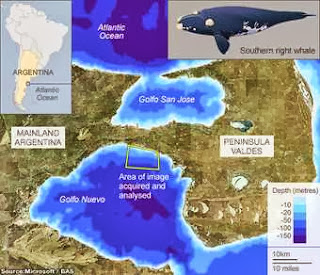
A test count, reported in the journal Plos One, was conducted on southern right whales in the Golfo Nuevo on the coast of Argentina.

The automated system found about 90% of creatures pinpointed in a manual search of the imagery.

This is a huge improvement on previous attempts at space-borne assessment, and could now revolutionise the way whale populations are estimated.

Currently, such work is done through counts conducted from a shore position, from the deck of a ship or from a plane. But these are necessarily narrow in scope.

An automated satellite search could cover a much larger area of ocean and at a fraction of the cost.

"Our study is a proof of principle," said Peter Fretwell from the British Antarctic Survey.

"But as the resolution of the satellites increases and our image analysis improves, we should be able to monitor many more species and in other types of location.

"It should be possible to do total population counts and in the future track the trajectory of those populations," he told the Inside Science programme on BBC Radio 4.


The breakthrough is in part down to the capability of the latest hi-res satellites.

In this study, Mr Fretwell and colleagues used DigitalGlobe's WorldView-2 platform.

This is among the most powerful commercial Earth observation platforms in operation today, and can see surface features down to 50cm in size in its panchromatic mode (black and white).

The team selected as their test area a 113-sq-km segment of the Golfo Nuevo on the Peninsula Valdes, a location famed for its gatherings of calving southern right whales.

Even though these are large animals, they still only take up a few pixels in the satellite picture.

Nonetheless, a manual search of the scene found 55 probable whales, 23 possible whales and 13 sub-surface features.

Several automated methods where then trialled, with the best results coming from a combination of the very hi-res panchromatic view and a narrow band of wavelengths in the violet part (400-450 nanometres) of the light spectrum.

This coastal band, as it is known, penetrates 15m or so into the water column in good conditions.

The automated approach found 89% of probable whales identified in the manual count.


WorldView-2 has spectral bands that allow scientists to pull out specific information in the imagery
Mr Fretwell cautions that there are limitations to the technique. For example, rough seas or murky waters will confound a search. But he believes, on the basis of the trial study, that satellite counting can become a very useful conservation tool.

"In this type of automated analysis you have to balance two types of errors - errors where you miss whales, and errors where you misidentify whales. If you push too hard one way, like trying to catch all the whales, you'll increase the number of false positives. With our 90%, we had almost no misidentifications," the researcher explained.

Southern right whales were a very appropriate target for the study.

These animals were driven to near-extinction in the early 20th Century. Recognised as slow, shallow swimmers, they were the "right" whales to hunt.

Their numbers have seen something of a recovery, but without the means to carry out an accurate census, it is hard to know their precise status.

Concern has also been raised of late because of the sightings of many dead calves in the nursery grounds around the Peninsula Valdes.

Prof Vicky Rowntree from the University of Utah is the director of the Ocean Alliance's Southern Right Whale Program, and has spent many years studying the Valdes whales.

She said the new method would be a huge boon to her field of research.

"It's going to be absolutely amazing. The other dimension of it is that many marine mammal researchers have been killed flying in small planes while surveying whales. So my great desire is to get us out of small planes circling over whales and to be able to do it remotely. Satellite data is wonderful."


The southern right is the most abundant of the three right whale species
From BEN Latest News: www.benlatestnews.com
Follow us on Twitter: @benlatestnews